
Key Takeaways
- Excessive tearing and eye drainage in dogs can result from several causes, including breed disposition, infections, allergies, trauma, tear duct obstruction, keratoconjunctivitis sicca, corneal ulcers, distichiasis, and entropion.
- It is essential to seek veterinary care if symptoms such as yellow or green discharge, redness, swelling, or pawing at the eyes occur to prevent serious complications.
- Regular veterinary check-ups, proper grooming, and daily cleaning around the eyes can help in preventing excessive tearing and eye drainage in dogs.
Have you noticed that your dog’s eyes are teary or seem to have excess drainage? Excessive tearing, also known as epiphora, is a common issue in dogs. It may result in a discharge that is clear, white, yellow, or even green in color. When a dog’s eyes are draining and teary, it’s usually indicative of an eye problem. There are several possible causes for eye drainage and excessive tearing in dogs. In most cases, human intervention is required to address the issue, and medical attention may be necessary.
Causes of Excessive Tearing and Drainage in Dogs
There are numerous eye problems that can occur in dogs. Many of these will cause excess tearing and drainage. Some eye issues are more serious than others.
Breed Disposition
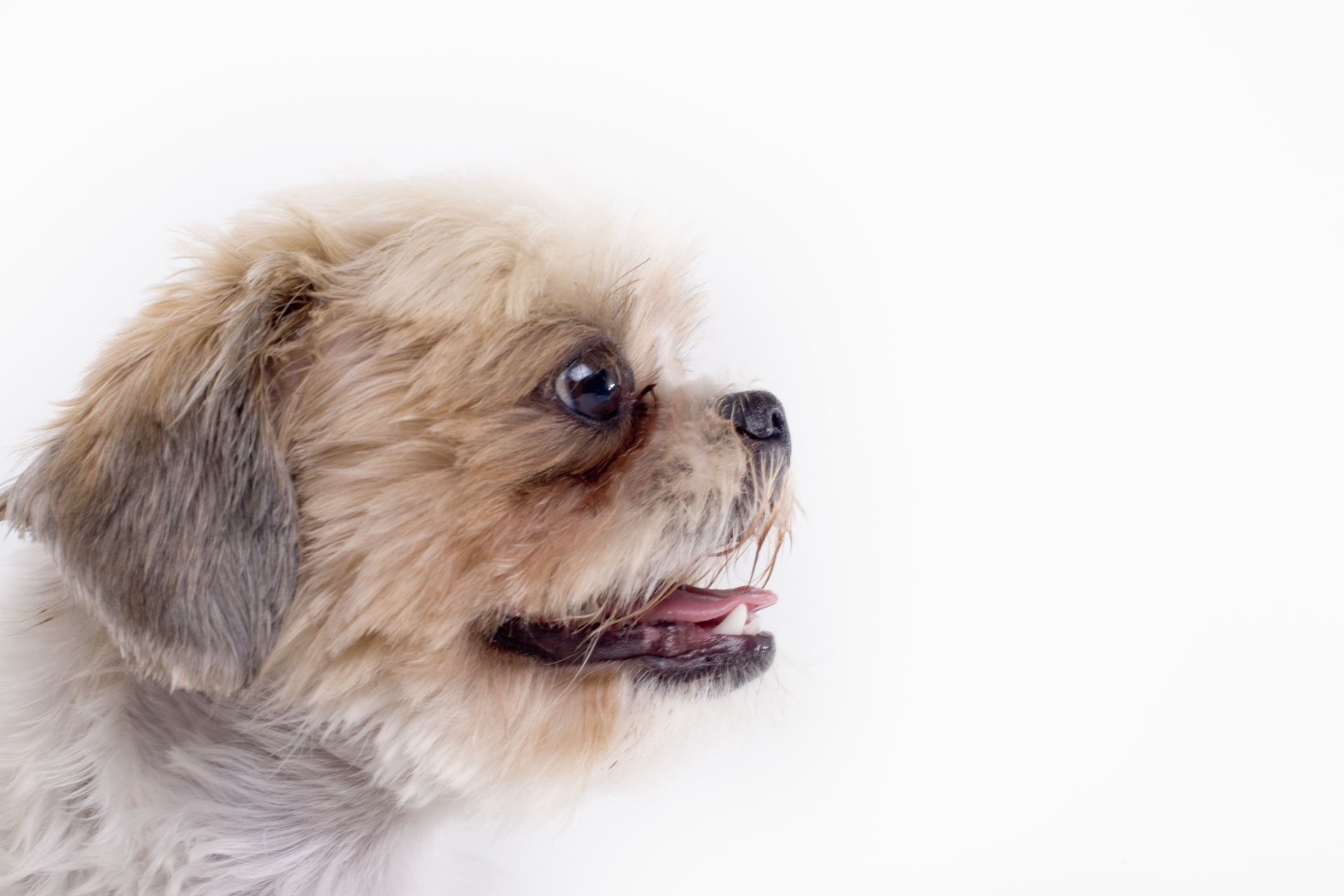
Short-faced and brachycephalic breeds like Shih Tzus, Cocker Spaniels, Maltese, Bulldogs, and Pugs are especially prone to eye discharge because of their face shape. Many small dog breeds also have excessive tearing. Moisture can collect in the facial and nasal skin folds of some breeds, providing an ideal environment for bacterial overgrowth. This may lead to infections if not kept clean and dry.
Eye Infections
Dogs can develop bacterial, viral, or fungal infections in their eyes, which may be triggered by an irritant entering the eye or transmitted by other animals. Once an eye infection is present, the dog will require treatment with the appropriate prescription medications, often involving the application of drops or ointment to the eyes several times a day.
Allergies
If your dog has environmental allergies, it may make the eyes red and weepy. This is similar to the way hay fever affects humans. Antihistamine medications can sometimes help.
Trauma
Any eye irritation can result in excessive tearing and drainage. Minor irritants or allergens may cause a dog to rub their eyes, worsening irritation and inflammation. More serious eye injuries can occur if a sharp object, like an animal claw, scratches the eye. If you suspect your dog has an eye injury, consult a veterinarian promptly.
Obstruction of Tear Ducts
The nasolacrimal duct carries tears from the eyes to the nose. If this duct becomes blocked, tears will overflow from the eye instead of draining normally.
Keratoconjunctivitis Sicca (KCS)
Known as dry eye, this condition is characterized by the underproduction of tears, causing irritation due to insufficient lubrication. Very dry eyes can lead to thick, sticky discharge, infections, pain, and visual problems. Veterinary intervention is essential to address this issue.
Corneal Ulcers
An abrasion on the cornea, known as a corneal ulcer, can result from trauma, infection, or another eye condition. Without treatment, corneal ulcers can become severe, potentially leading to vision loss or loss of the eye.
Distichiasis
Distichiasis is a condition characterized by the abnormal growth of eyelashes. These hairs grow along the eyelid and toward the eye, leading to irritation.
Entropion
Entropion is a condition in which the eyelid rolls inward, causing the lid and eyelashes to rub against the cornea, leading to irritation.
What to Do If Your Dog’s Eyes Are Tearing and Draining
It’s crucial to address eye problems at their onset. For mild to moderate drainage without redness or swelling, monitoring the situation is advised. Keep the area around the eyes clean and dry. If the drainage persists or you observe other symptoms, it is important to seek veterinary assistance.
Consult your vet if you observe:
- Odor from the eye discharge
- Yellow or green discharge from the eye
- Squinting or twitching of the eye
- Redness or swelling of the eye or the area around the eye
- Your dog is pawing at the eye or rubbing his face
- Vision problems
Eye issues can quickly become serious if not addressed by a veterinarian. Prompt action is essential to prevent permanent eye problems.
Your veterinarian will first take a history, asking about your dog’s lifestyle, past health concerns, and symptoms. A veterinary exam will follow, including a thorough examination of your dog’s eyes with a light.
A “tear test” may be conducted to assess your dog’s tear production. This test uses special paper strips placed in the eyes, with the time taken for tears to reach a marked line being recorded.
Next, a painless, harmless eye dye known as fluorescein stain may be used to detect abrasions or ulcers on the cornea. Additional tests might be recommended based on the initial exam findings.
Treatment for Eye Drainage
Treatment will be based on the diagnosis provided by your vet, often involving medicated eye ointment or drops to be applied at home multiple times a day. Oral medications may also be prescribed.
Most dogs will need to wear an e-collar, commonly known as a “cone” or lampshade, around the neck. This device prevents your dog from pawing at their eyes and rubbing their face. Do not remove the collar unless instructed by your vet, as further irritation can lead to serious eye damage.
Surgical treatment may be necessary in some cases, particularly if the issue is caused by entropion or another anatomical abnormality. In complex cases, your vet may refer you to a veterinary ophthalmologist.
How to Prevent Excessive Tearing and Eye Drainage
If your dog has no underlying health issues, there’s a good chance you can prevent excessive tearing and the resulting odor by following a few simple procedures:
- Take your dog to the veterinarian regularly.
- For at-home maintenance, keep the hair around your dog’s eyes trimmed as short as possible. To avoid injury, take your pet to a groomer for trimming.
- If your dog tends to tear excessively, daily washing and gentle drying of the area around their eyes can help prevent irritation. Over-the-counter, optical-grade eye irrigation solutions are generally safe for maintaining cleanliness and minimizing odor.
If you suspect your pet is sick, call your vet immediately. For health-related questions, always consult your veterinarian, as they have examined your pet, know the pet’s health history, and can make the best recommendations for your pet.


